 Skip to content
Parfum frais et boisé.
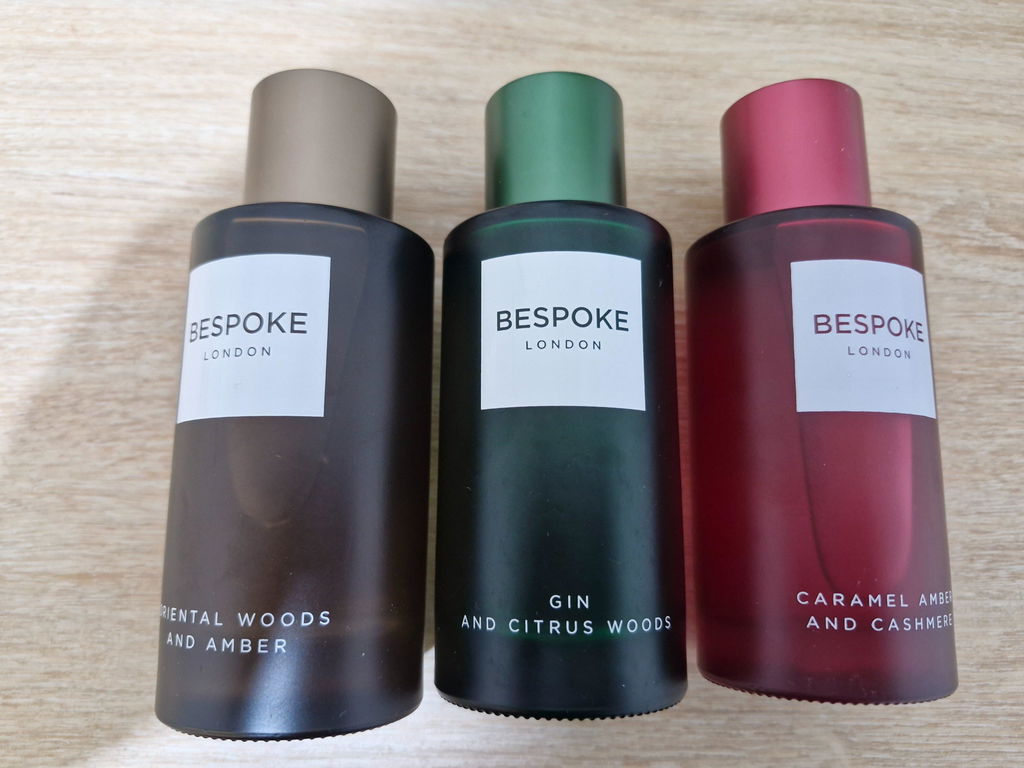
Nous espérons que le parfum vous plaît 😇

In the world of body care, body lotion and body cream hold a special place. They promise comfort, suppleness, and softness, but not all of them are created equal. Between sensory texture, moisturizing effectiveness, and fragrance, the right choice depends less on the prestige it conveys than on how well the formula meets your skin’s needs. A good body lotion should not merely make a good first impression; above all, it should leave the skin comfortable, supple, and soothed for a lasting period.
A good lotion or body cream moisturizes effectively without feeling heavy or leaving a sticky sensation. It should suit your skin type, lifestyle, and environment: dry skin will often need a richer texture, while normal or combination skin will generally tolerate a lighter formula better. The true criterion is not how rich the product feels when applied, but how comfortable the treatment leaves your skin several hours later.
It is also important to consider the stability of the formula. Good body-care products generally contain humectants, emollients, and sometimes replenishing ingredients that help retain water and limit moisture loss. If your skin feels tight after showering or quickly becomes uncomfortable, this is often a sign that you should choose a more nourishing and less harsh texture.
Choosing a body lotion starts with a simple question: what is your skin trying to do, and what does it need? If it is dry, rough, or sensitive, it is better to choose a simple, enveloping formula without a strong fragrance. If it is normal, you can opt for a more fluid, lighter, and more comfortable texture for everyday use.
The best product is often the one you want to use every day because it feels pleasant, but above all because it causes no stinging, redness, or unpleasant film-like sensation.
Fragrance is one of the major sensory selling points of body lotions and creams. It gives the product an identity, creates a sense of pleasure, and can turn an ordinary gesture into a more sophisticated moment. However, from a skin-care perspective, fragrance provides no additional moisturization or direct benefit for the skin.
Fragrances can nevertheless become problematic for some people. Fragrance substances are among the common causes of irritation and contact allergy, especially when the skin is sensitive, atopic, or already compromised. The more heavily fragranced the product, the greater the risk of discomfort for reactive skin, even though a highly fragranced formula is not necessarily bad for everyone.
It is also important to distinguish olfactory pleasure from dermatological value. A lotion that smells good is not automatically better, and a fragrance-free lotion is not less effective. For sensitive skin, the absence of fragrance is often a real advantage. For normal skin, a light fragrance may still be acceptable if it is well tolerated.
There is no single concentration that is universally “good” for every skin type. In Europe, labeling regulations require a fragrance allergen to be listed in a leave-on product such as a cream or lotion as soon as it exceeds 0.001%. In a rinse-off product, the labeling threshold is higher, at 0.01%.
This does not mean that fragrance becomes completely risk-free below this threshold. It mainly means that above certain concentrations, the presence of allergens must be clearly indicated because they can sensitize the skin. In practice, the lower the concentration of fragrance substances, the more likely the formula is to be well tolerated, especially in a product that remains on the skin for a long time.
In other words, for a body lotion, the question is not simply “how much fragrance is there?” but also “which allergens are present?” and “does my skin truly tolerate this type of formula?” Sensitive skin will benefit from choosing fragrance-free products or those with a very subtle olfactory signature.
It is better to be wary of formulas that focus entirely on the sensory experience. A strong fragrance, an immediate feeling of softness, or a luxurious texture guarantees neither tolerance nor the actual quality of the product. Similarly, a product that leaves the skin feeling very smooth but eventually irritates or dries it out is not a good treatment—only one that is appealing at first touch.
It is also best to avoid overly simplistic ideas. A richer lotion is not automatically better than a lightweight one; it all depends on your skin and how you use it. Likewise, a fragranced cream may suit some people, while another, more discreet one may be a much wiser choice for reactive skin.
The simplest approach is to focus on your skin, not on marketing. Choose a texture according to your actual needs, prioritize a formula your skin tolerates well, and then observe the results after several days of use. A good body lotion or body cream should visibly and durably improve skin comfort without creating dependence on fragrance or an immediate cosmetic effect.
With this in mind, the best product is often the most balanced one. It moisturizes well, respects the skin, and does not try to hide its qualities behind an overpowering scent. Here, sophistication lies more in the precision of the formula than in the intensity of the fragrance.



