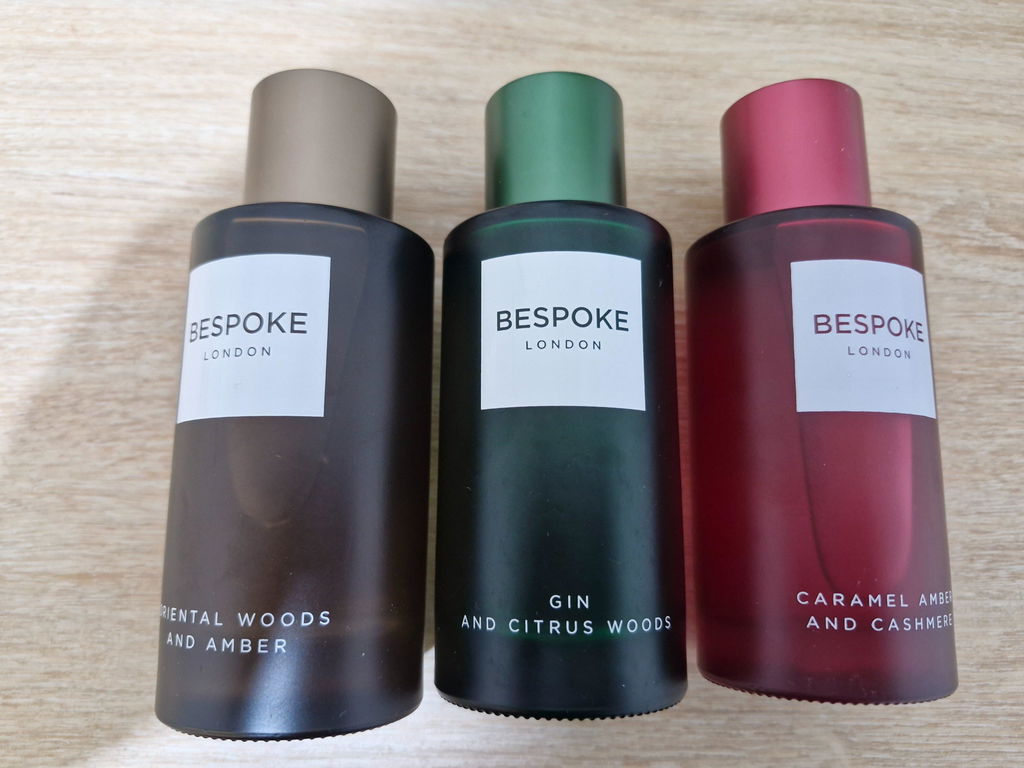
There are raw materials that do not impose their presence through force, but through radiance. Bergamot belongs to this rare family: a luminous, refined, almost aristocratic note that opens a fragrance with an impression of fresh air, clean skin, and natural sophistication.
In perfumery, it is often the first sensation one perceives, the one that immediately gives a fragrance trail its staying power, dimension, and light.
The Origin of Bergamot
Bergamot comes from **Citrus bergamia**, a citrus fruit cultivated mainly in Calabria, in southern Italy, where most of the world’s essential oil production is concentrated.
Its exact origin remains debated, but several sources point to a history shaped by Italian heritage, Mediterranean influences, and a probable connection to a Turkish term meaning “lord’s pear.”
This historical uncertainty contributes to its aura: bergamot is not merely a fruit, but a material steeped in culture, trade, travel, and refinement.
Why It Is So Precious
Bergamot is precious because it does not simply smell like lemon.
It offers a more complex, nobler freshness, with green, floral, slightly bitter, and sometimes almost tea-like nuances.
In perfumery, its essential oil is used primarily as a top note: it provides the initial lift, a sense of openness, and that immediate impression of clarity that makes a fragrance more elegant.
It is also highly useful to the perfumer because it connects the other notes and softens their transitions.
Who Wears Bergamot
Bergamot is worn by people who enjoy luminous, clean, sophisticated fragrances that are never too heavy.
It often appeals to those who want a discreet yet chic signature, with an elegance that feels natural rather than showy.
It appears in both men’s and women’s fragrances, because its freshness is not gendered: it suggests cleanliness, modernity, and distinction.
It is particularly suited to those who enjoy refined citrus scents, classic colognes, or fragrances that create the impression of freshly dressed skin.
When to Wear It
Bergamot is ideal in the morning, at the office, for lunch in the city, or on a day when you want to appear fresh without being overwhelming.
It also works beautifully in spring and summer, when its radiance complements the warmth without becoming too sweet.
In a more elaborate composition, it can also accompany an elegant evening, especially when paired with woody, musky, or amber notes that give it greater depth.
It is a versatile note, but it shines most in settings where distinction without ostentation is desired.
How to Wear It Well
Bergamot is best worn sparingly. As a top note, it initially expresses itself quite strongly before quickly softening, so it is often better to apply it selectively to pulse points rather than spray excessively.
On clean, well-moisturized skin, it retains a crisper, more elegant feel.
If the fragrance contains a high concentration of citrus notes, it is best to avoid immediate sun exposure on freshly sprayed areas, as certain citrus compositions may be photosensitizing depending on their formula.
The most beautiful effect often comes from a fragrance in which bergamot is accompanied by neroli, tea, lavender, white musk, light woods, or vetiver.
The Spirit of Bergamot
Bergamot is not a showy note. It belongs to the fragrances that create an impression of effortless elegance, precious cleanliness, and controlled radiance.
It is a scent that reassures, uplifts, and adorns without weighing you down. Wearing bergamot means choosing freshness with style—a discreet yet impeccably polished presence.
 Skip to content